
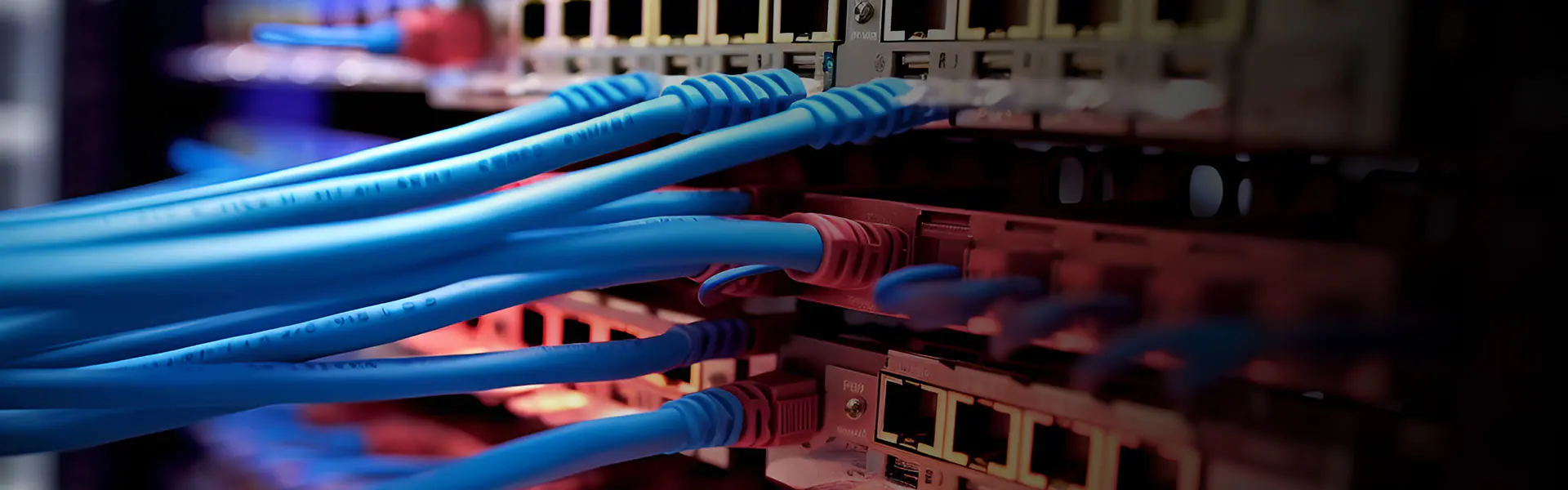
Digital TV Transmitter
What is a Digital TV Transmitter and Why Is It Critical for Modern Broadcasting?
In the realm of modern television, the shift from analog to digital broadcasting has been revolutionary. At the heart of this transformation lies the Digital TV Transmitter. This sophisticated piece of equipment is responsible for receiving audio, video, and data signals, processing them into a digital format, and broadcasting them over the airwaves to be received by antennas on TVs and set-top boxes. Unlike its analog predecessor, a digital transmitter encodes information as binary data (ones and zeros), leading to superior picture and sound quality, efficient use of the broadcast spectrum, and the ability to deliver multiple sub-channels and advanced services like High Definition (HD) and 4K Ultra HD.
For broadcasters, selecting a robust and reliable Digital TV Transmitter is not just an upgrade; it's a strategic imperative. It ensures regulatory compliance (like meeting ATSC 3.0 or DVB-T2 standards), maximizes coverage area, optimizes power efficiency, and provides the foundation for future-proof services. At telecom-broadcasting.net, we engineer transmitters that embody this reliability and cutting-edge performance, tailored for stations of all sizes.
Core Technical Specifications of Our High-Performance Digital TV Transmitters
The performance of a broadcast system hinges on the technical excellence of its transmitter. Our flagship models at telecom-broadcasting.net are designed with precision engineering to deliver unmatched stability and output. Below are the detailed specifications that define our professional-grade equipment.
Key Performance Parameters
- Output Power Range: Available from 10W low-power gap-fillers to 50kW high-power main station units, with fine-tuning capability for precise coverage control.
- Frequency Range: Fully supports VHF (Band I-III: 47-68 MHz, 174-230 MHz) and UHF (Band IV-V: 470-862 MHz) spectrums, ensuring global compatibility.
- Modulation Standards: Compliant with ATSC 3.0, DVB-T2, ISDB-T, and DTMB international standards, offering flexibility for any market.
- System Efficiency: Advanced Doherty and LDMOS/ GaN-based amplifier designs achieving system efficiency greater than 35%, significantly reducing operational electricity costs and heat dissipation.
- Signal-to-Noise Ratio (SNR): > 40 dB, guaranteeing a clean, interference-free broadcast signal for pristine audio and video reception.
- Remote Monitoring & Control: Integrated SNMP/IP-based interface for full remote diagnostics, power adjustment, and fault logging, enabling 24/7 unmanned operation.
- Cooling System: Intelligent forced-air cooling with variable speed fans, designed for minimal acoustic noise and maximum component longevity.
Detailed Model Comparison Table
The following table provides a clear comparison between our popular transmitter series, helping you select the ideal model for your broadcast needs.
| Model Series | Power Output (Max) | Primary Standard | Typical Efficiency | Key Feature | Ideal Use Case |
|---|---|---|---|---|---|
| DBT-500 Series | 500 W | DVB-T2 / ATSC 3.0 | 32% | Compact Rack Design, Low OPEX | Community TV, Low-Power TV, Studio Transmitter Links (STL) |
| DBT-5K Series | 5 kW | ATSC 3.0 / ISDB-T | 36% | GaN Amplifier, Redundant PSU | Medium Market TV Stations, Regional Broadcasters |
| DBT-30K Series | 30 kW | ATSC 3.0 / DVB-T2 | 38% | High-Power Liquid Cooling, Full Redundancy | Major Metropolitan Market Stations, National Network Hubs |
| DBT-GAP Series | 100 W | DVB-T2 / DTMB | 30% | All-Weather Outdoor Enclosure | Signal Gap Fillers, Mountainous Terrain Coverage |
All telecom-broadcasting.net transmitters are built with modularity in mind, allowing for easy field upgrades and maintenance, protecting your investment for the long term.
Digital TV Transmitter FAQ: Expert Answers to Common Questions
Broadcast engineers and station managers often have specific questions when evaluating or operating a Digital TV Transmitter. Here, we address some of the most frequent inquiries with detailed, practical answers.
Technical & Operational Questions
Q: What is the primary difference between ATSC 3.0 (NextGen TV) and older standards like ATSC 1.0, and do I need a new transmitter to upgrade?
A: ATSC 3.0 is an internet-protocol based standard offering 4K UHD, HDR, immersive audio, mobile reception, targeted advertising, and robust signal reception. While it uses different modulation (OFDM) and coding, many modern transmitters, including those from telecom-broadcasting.net, are designed to be software-upgradable or multi-standard capable. Often, an upgrade may involve a new exciter or software license rather than a complete transmitter replacement. We provide tailored migration paths.
Q: How does a Digital TV Transmitter handle multiple sub-channels (multiplexing)?
A: The transmitter itself receives a single, combined transport stream from an external multiplexer (mux). The mux digitally combines the video, audio, and data from several program streams (sub-channels) into one bitstream. The transmitter's role is to encode and modulate this single, high-data-rate stream onto the radio frequency carrier. Our transmitters feature high linearity amplifiers to broadcast this complex signal without distortion.
Q: What factors most significantly affect the coverage range of my digital transmitter?
A: Key factors include: 1) Effective Radiated Power (ERP): A combination of transmitter output power and antenna gain. 2) Antenna Height: Higher elevation reduces line-of-sight obstacles. 3) Terrain and Obstructions: Mountains and dense urban areas can create shadows. 4) Frequency Band: UHF signals travel shorter distances than VHF but are better in cities. 5) Receiver Sensitivity: Modern TVs receive better. Our team at telecom-broadcasting.net can perform detailed coverage modeling for your site.
Maintenance & Reliability
Q: What is the typical lifespan and maintenance schedule for a broadcast transmitter?
A: A well-designed and operated transmitter can have a lifespan of 15-20 years. Critical maintenance involves regular cleaning of air filters, checking and tightening RF connections, monitoring amplifier performance, and testing backup systems. We recommend a semi-annual professional inspection. Our units feature predictive maintenance alerts, notifying you of gradual performance drifts in components like capacitors or fans before they fail.
Q: How crucial is power amplifier redundancy, and what are the common configurations?
A: Redundancy is critical for avoiding costly on-air outages. Common setups include: N+1 Redundancy: One extra amplifier module that can automatically switch in if any primary module fails. Parallel Redundancy: Two complete amplifier chains running in parallel, offering seamless switchover. Higher-power telecom-broadcasting.net transmitters offer these as configurable options, ensuring 99.99% uptime.
Business & Regulatory
Q: Are there specific certifications or regulatory approvals required for a Digital TV Transmitter?
A: Yes. Transmitters must be certified by regulatory bodies like the FCC in the USA, Ofcom in the UK, or equivalent agencies worldwide. This certification ensures the device does not cause harmful interference and operates within its assigned frequency and power limits. All telecom-broadcasting.net transmitters are pre-certified for major global markets, simplifying your licensing process.
Q: Can a Digital TV Transmitter be used for both terrestrial broadcasting and direct-to-home (DTH) services?
A: The core technology is similar, but the systems are optimized for different paths. Terrestrial transmitters use frequencies and antenna patterns designed for wide-area ground-based coverage. DTH satellite uplink transmitters (often called "feed" transmitters) operate in different frequency bands (like Ku-band) and require highly precise pointing and modulation for the satellite link. While our expertise is in terrestrial broadcasting, the underlying RF principles remain consistent.
Optimizing Your Broadcast Chain: The Role of Complementary Equipment
A transmitter is the final, powerful stage of a complex broadcast chain. To achieve the best results, it must be integrated with high-quality upstream equipment.
- Exciters & Modulators: These devices create the digital RF signal that the amplifier boosts. Our transmitters often include integrated, high-performance exciters supporting the latest codecs like HEVC.
- Multiplexers (Mux): As mentioned, this combines multiple program streams. A robust mux is essential for managing your channel lineup and data services.
- Antenna Systems: The antenna's gain, pattern, and polarization directly impact coverage. We can advise on and supply compatible antenna systems for optimal ERP.
- RF Combiners & Filters: For stations broadcasting multiple channels from a single tower, these components are vital to prevent intermodulation interference.
telecom-broadcasting.net provides not just transmitters, but end-to-end system integration support, ensuring every component from the studio to the tower works in perfect harmony.
- View as